Asian Economic Integration Report 2026
Leveraging Regional
Cooperation and Integration
to Navigate Global Uncertainties
Asia’s remarkable economic development has been significantly supported by open and liberal trade and investment, underpinned by the region’s steady progress in regional integration through closer economic cooperation and enhanced connectivity. The recent rise in geopolitical tensions and trade policy uncertainties poses growing challenges for the region, which at the same time underscores the renewed importance of regional integration in navigating such challenges. Strengthening cross‑border linkages in trade, investment, finance, migration, remittances, and tourism will be essential. Policy priorities will increasingly need to emphasize export diversification, deeper and higher‑quality trade agreements, stronger financial and digital infrastructure, enhanced skills recognition, and improved connectivity.
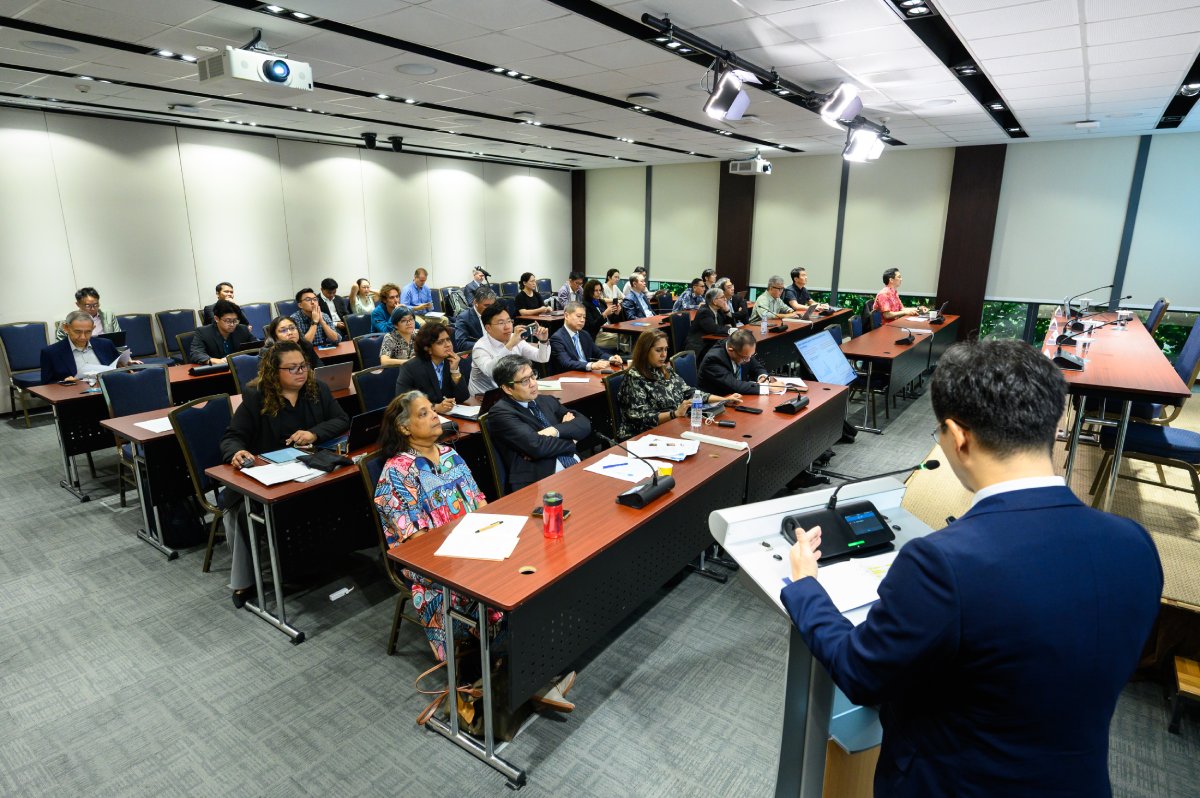
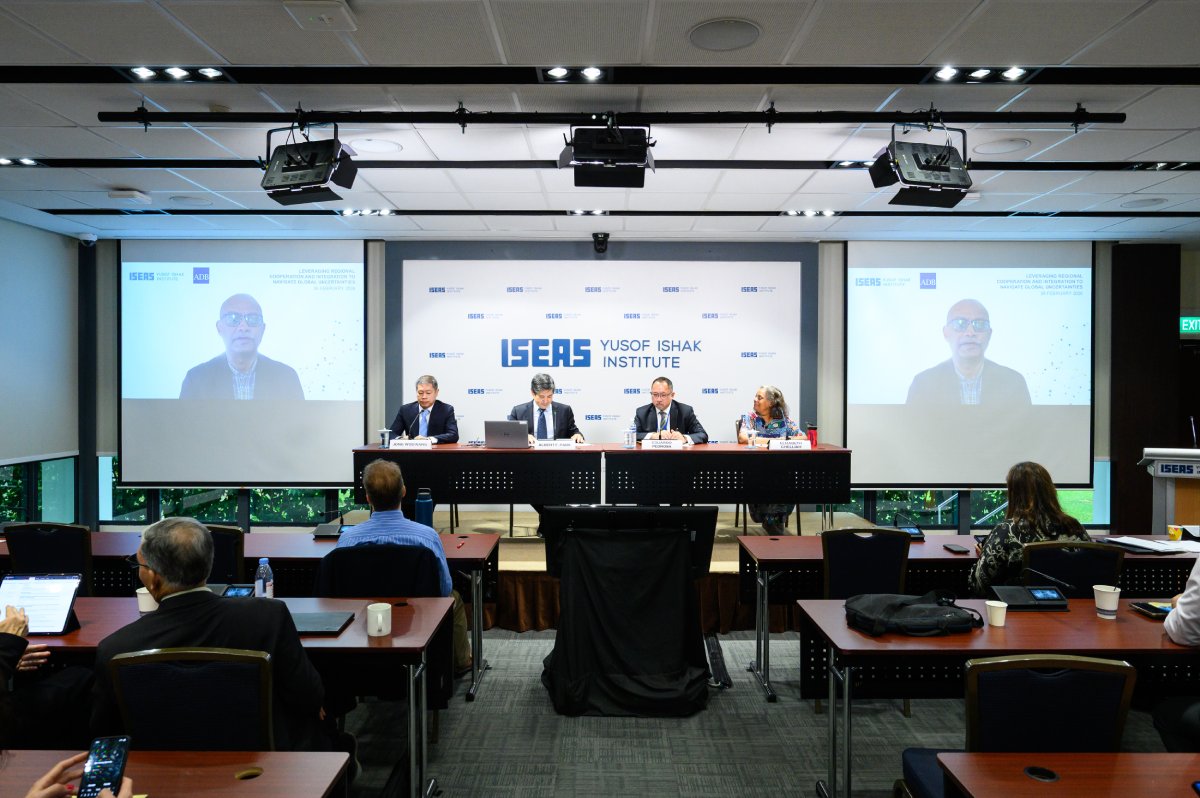
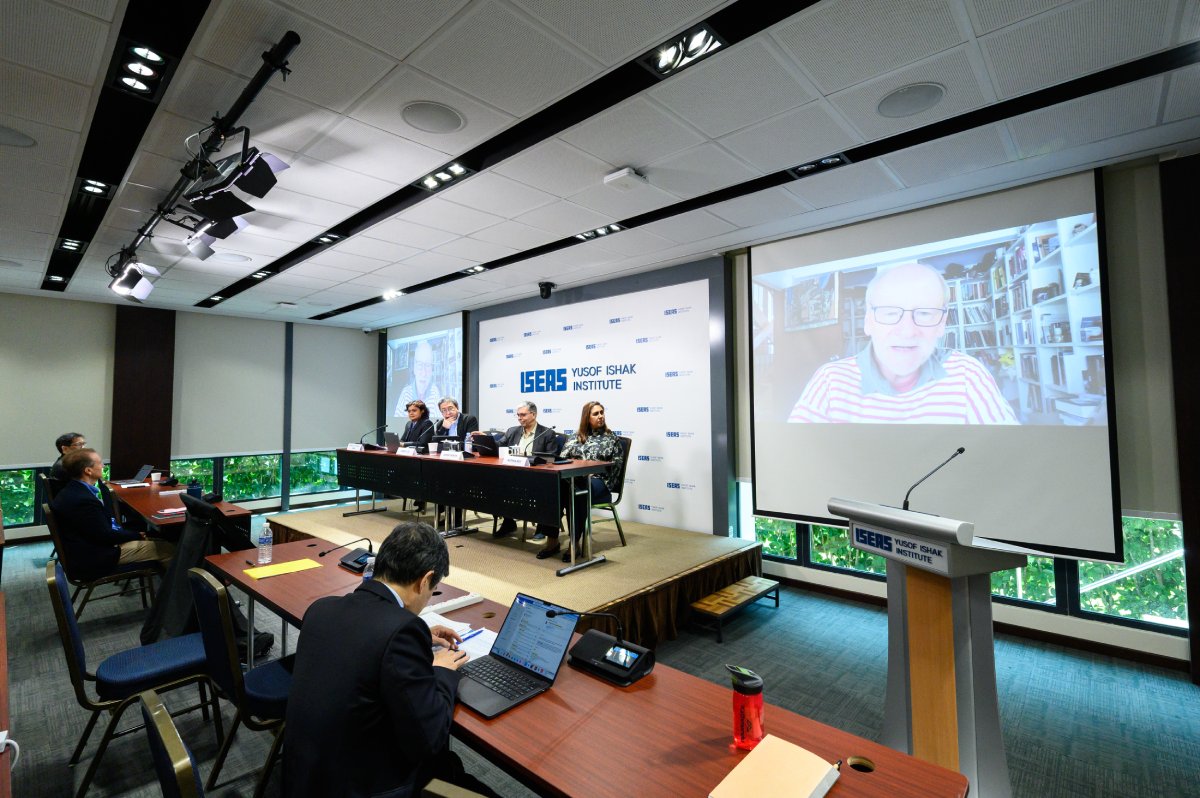
This seminar will feature two panel sessions addressing these critical issues. The first session will examine policy options to reinforce regional cooperation and integration as a strategy for mitigating global risks and uncertainties. The second will explore the role of Southeast Asia—one of the most dynamic and fast‑growing subregions, characterized by rapidly expanding digital economies, deepening production networks, growing consumer markets, and a pivotal role in regional value chains—in advancing broader cooperation and integration across Asia and the Pacific.
Event details:
Date/Venue:
-
09:00 a.m.–12:45 p.m.
26 February 2026
ISEAS–Yusof Ishak Institute (ISEAS),
30 Heng Mui Keng Ter,
Singapore 119614
Downloads:
- Agenda (PDF)
Contacts:
- Mara Tayag
Senior Economics Officer, Economic Research and Development Impact Department, Asian Development Bank
Email: mtayag@adb.org - Mr. Amiel Bryan Esperanza
Operations Assistant, Economic Research and Development Impact Department, Asian Development Bank
Email: aesperanza@adb.org
- Mara Tayag
Agenda:

- 8:30–9:00 a.m.
- Registration
- 9:00–9:05 a.m.
- Opening Remarks
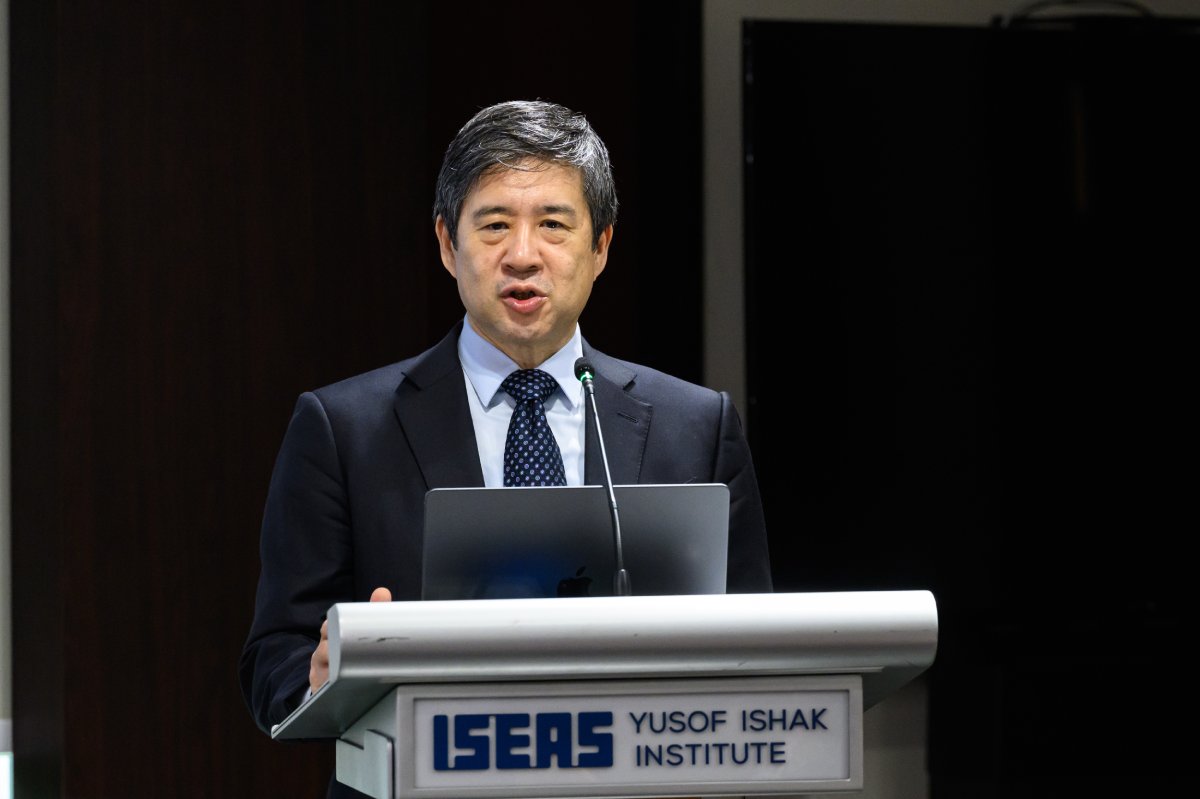
 Albert Park Chief Economist and Director General, Economic Research and Development Impact Department,
Asian Development Bank BioAlbert F. Park is Chief Economist of the Asian Development Bank (ADB) and Director General of its Economic Research and Development Impact Department. He is chief spokesperson on economic and development trends and leads the production of ADB’s flagship knowledge products and support for regional cooperation fora.
Mr. Park has more than 2 decades of experience as a development economist and is a well-known expert on the economy of the People’s Republic of China. He has worked on a broad range of development issues including poverty and inequality, intergenerational mobility, microfinance, migration and labor markets, the future of work, and foreign investment.
Mr. Park is Chair Professor of Economics, Social Science, and Public Policy at HKUST (on leave). He served as a founding director of HKUST’s Institute for Emerging Market Studies and Center for Economic Policy, and previously held faculty positions at the University of Oxford and the University of Michigan.
A national of the United States, he received his bachelor’s degree in economics from Harvard University and his doctorate in applied economics from Stanford University.- 9:05–9:10 a.m.
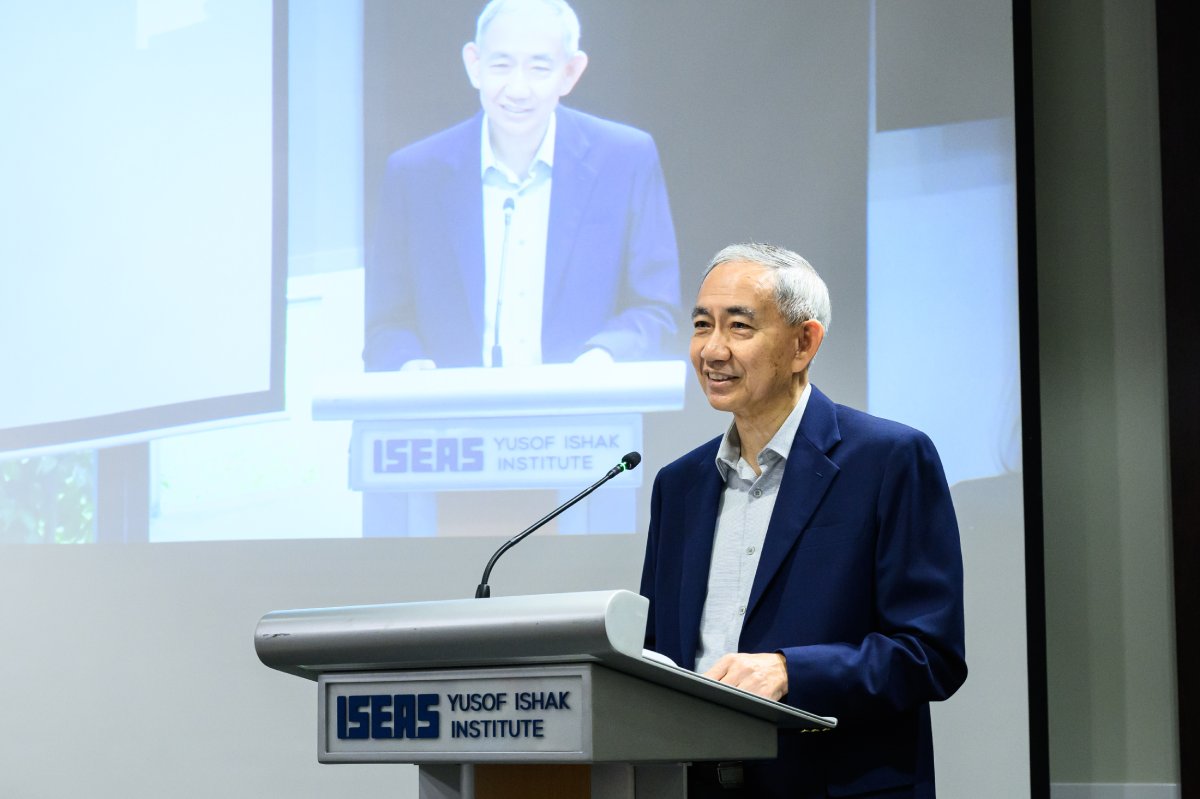
Welcome Remarks Choi Shing Kwok Director and Chief Executive Officer, ISEAS–Yusof Ishak InstituteBio
Mr. Choi Shing Kwok was appointed Director and CEO of ISEAS–Yusof Ishak Institute on 15 January 2018 and also took on the role of Head of ASEAN Studies Centre at the institute in March 2020. He concurrently holds a number of board and advisory appointments on companies, charities and research establishments in Singapore.
Prior to this appointment, Mr. Choi was the Permanent Secretary in the then Ministry of the Environment and Water Resources (now renamed the Ministry of Sustainability and Environment) from 2012 to 2017. He started his career in the Singapore Armed Forces (SAF) in 1978 and held various appointments in the SAF and Ministry of Defence till 2005. After leaving the Ministry of Defence, Mr. Choi held the post of Permanent Secretary in the Ministry of Transport from 2005 to 2012.
Mr. Choi studied at the University of Cambridge, graduating with Bachelor’s and Master’s degrees in Engineering in 1981 and 1985 respectively. He also obtained a Master’s in Public Administration degree from Harvard University in 1994.
Mr. Choi was awarded the Public Administration Medal (Silver) (Military) in 1993 and the Meritorious Service Medal in 2000 for his contributions to Singapore.
- 9:10–9:30 a.m.
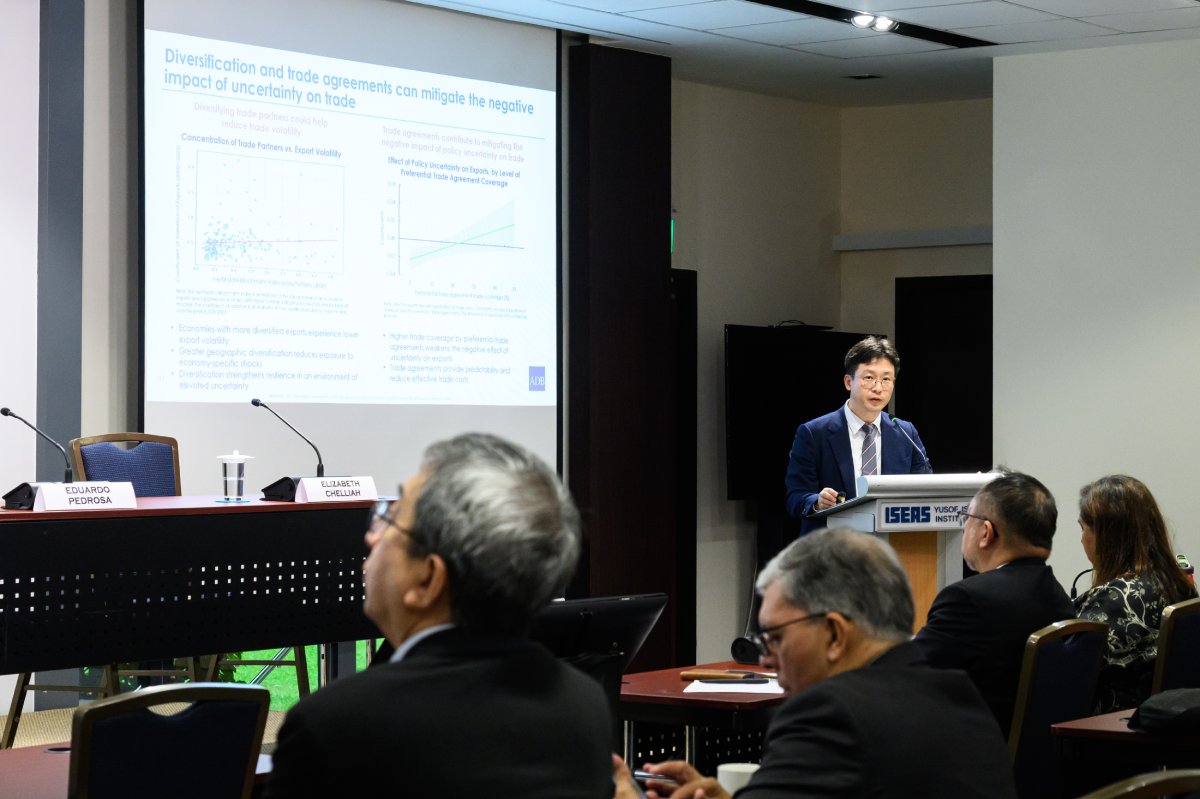
Presentation on Regional Cooperation and Integration in Asia and the Pacific: State, Challenges, and Opportunities Kijin Kim Senior Economist, Regional Cooperation and Integration Division, Economic Research and Development Impact Department,
Asian Development Bank BioKijin Kim is a senior economist in the Economic Research and Development Impact Department, Asian Development Bank. Since he joined the ADB in 2016, he has been working on trade, trade facilitation, and trade finance within the context of regional cooperation and integration. He contributed to ADB’s publications on these areas including the Asian Economic Integration Report; Trade Finance Gaps, Growth, and Jobs Survey; and Asia-Pacific Trade Facilitation Report. Before joining the ADB, he was a research fellow of the Regional Economics Applications Laboratory at the University of Illinois since 2012. From 2004 to 2010, he worked as Economist at the Bank of Korea. He earned his PhD in economics from the University of Illinois at Urbana-Champaign in 2016, focusing on research within the fields of regional economics and applied econometrics, centered on the role of labor markets, the effects of heterogeneity in consumption spending and labor market participation on regional economies.
- 9:30–9:45 a.m.
Coffee Break- 9:45–10:30 a.m.
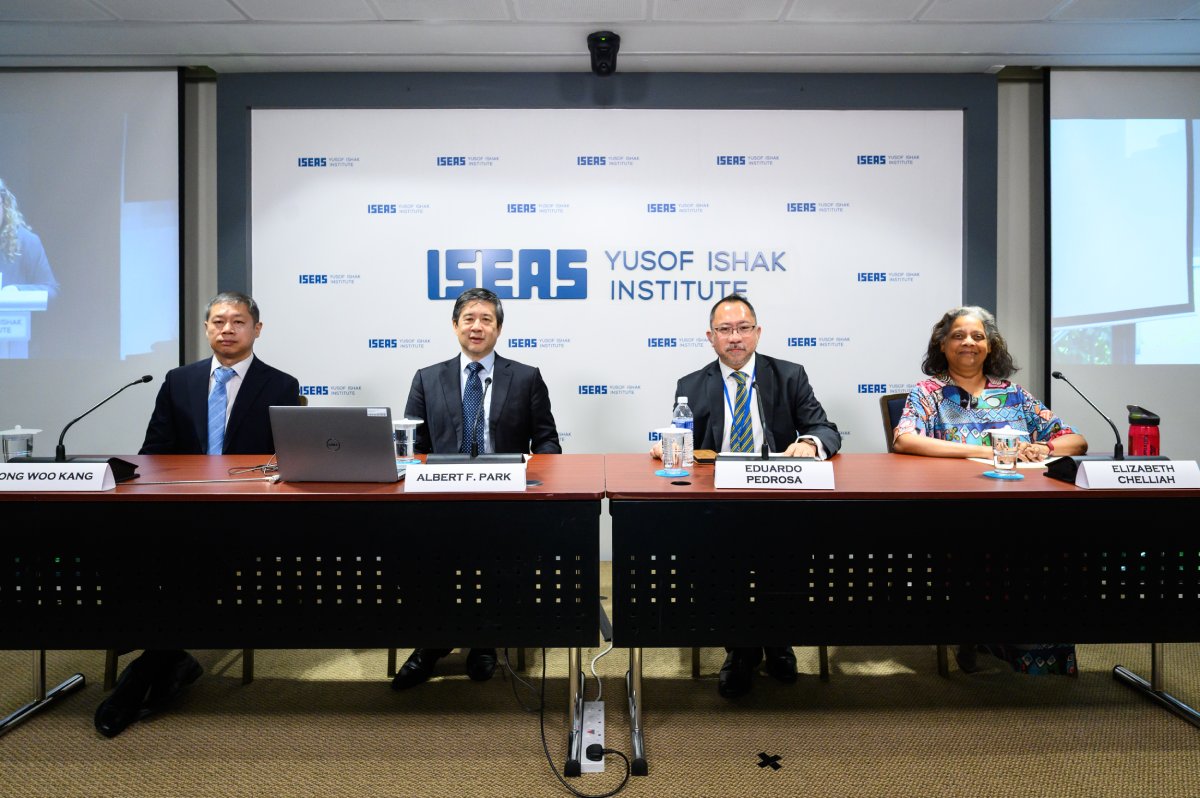
Panel Discussion 1: Leveraging Regional Cooperation and Integration to Navigate Global Uncertainties (organized by ADB)Moderator:
Albert Park Chief Economist and Director General, Economic Research and Development Impact Department,Asian Development Bank BioAlbert F. Park is Chief Economist of the Asian Development Bank (ADB) and Director General of its Economic Research and Development Impact Department. He is chief spokesperson on economic and development trends and leads the production of ADB’s flagship knowledge products and support for regional cooperation fora.
Mr. Park has more than 2 decades of experience as a development economist and is a well-known expert on the economy of the People’s Republic of China. He has worked on a broad range of development issues including poverty and inequality, intergenerational mobility, microfinance, migration and labor markets, the future of work, and foreign investment.
Mr. Park is Chair Professor of Economics, Social Science, and Public Policy at HKUST (on leave). He served as a founding director of HKUST’s Institute for Emerging Market Studies and Center for Economic Policy, and previously held faculty positions at the University of Oxford and the University of Michigan.
A national of the United States, he received his bachelor’s degree in economics from Harvard University and his doctorate in applied economics from Stanford University.Panelists: Amitendu Palit Senior Research Fellow and Research Lead (Trade and Economics), Institute of South Asian Studies, National University of SingaporeBio
Amitendu Palit is Senior Research Fellow and Research Lead (Trade and Economics) at the Institute of South Asian Studies at the National University of Singapore. He is an economist specializing in international trade and investment policies, free trade agreements, supply chains, connectivity, cross-border data flows, and the Indian economy. He sits on the World Economic Forum’s Global Future Council on Trade and Investment. He is Senior Research Fellow (Honorary) at the Wong Centre for Study of MNCs and Adviser for Athena Infonomics.
Earlier, Dr. Palit worked for several years in the India Ministry of Finance and in the Ministries of Industry and Civil Supplies. He handled macroeconomic policies, including trade, investment, industrial development, small-medium enterprise, entrepreneurship, and futures trading. He wrote annual economic surveys and participated in annual budgetary consultations. He was on the Advisory Committees of the Planning Commission of India and the International Labour Organization (ILO).
Dr. Palit has edited and authored several books. The latest ones are Seeking Middle Ground: Land, Markets and Public Policy (OUP, 2019; co-edited); Seven Decades of Independent India (Penguin, 2018; co-edited) and Employment Policy in Emerging Economies (Routledge, 2017; co-edited). His other books include The Trans-Pacific Partnership, [People’s Republic of] China and India: Economic and Political Implications (Routledge, 2014), [People’s Republic of] China India Economics: Challenges, Competition and Collaboration (Routledge, 2011) and Special Economic Zones in India: Myths and Realities (Anthem Press, 2008; co-authored). He has published in several peer-reviewed academic journals. He is a columnist for India’s Financial Express and a regular contributor for East-West Centre, East Asia Forum and China Daily. He is an expert for BBC, Bloomberg News, CNA, CNBC, ABC, CGTN and Doordarshan (India). He has been a resource person for Commonwealth Secretariat, ILO, United Nations Development Programme, Copenhagen Consensus and IIFT India.
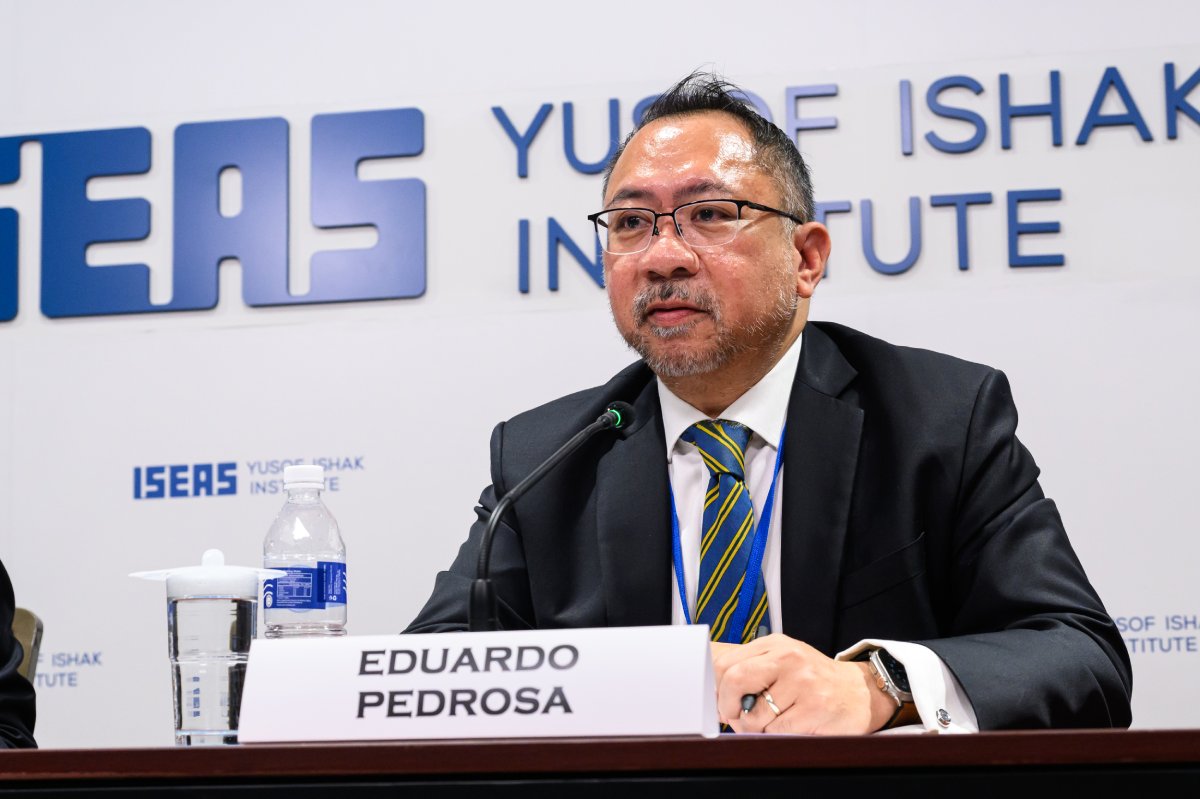
 Eduardo Pedrosa Executive Director, APEC Secretariat, SingaporeBio
Eduardo Pedrosa is the Executive Director of the APEC Secretariat. His appointment was formally welcomed at the 35th APEC Ministerial Meeting in Lima, Peru on 14 November 2024. Prior to his appointment at APEC, he was the Secretary General of the Pacific Economic Cooperation Council (PECC), one of the three official observers of APEC. Mr. Pedrosa is an expert on regional economic cooperation working on diverse range of issues including trade, finance, digitalization, climate change and structural reform. Over the past 20 years, he has consulted for governments and businesses across the Asia-Pacific.
He was the coordinator of PECC’s State of the Region report which provides an independent assessment of the prospects and risks to regional economic as well as priorities for APEC. Mr. Pedrosa is a thought leader on economic affairs, authoring and editing a wide variety of articles and books including Trade and Connectivity in the Post-COVID-19 World (with Pascal Lamy, World Economic Forum 2020); Globalization, Inequality and the Rise of Protectionism (Duke, Dialogue Review, 2015); Towards an ASEAN Economic Community: Matching the Hardware with the Operating System (Institute of Southeast Asian Studies, 2009). and An APEC Trade Agenda: The Political Economy of a Free Trade Area of the Asia-Pacific (Institute of Southeast Asian Studies 2007) with Charles Morrison. Mr. Pedrosa is also a member of the Advisory Board of the World Economic Forum’s Global Risk Report. He has previously worked for the Konrad-Adenauer-Stiftung and the Philippine government.
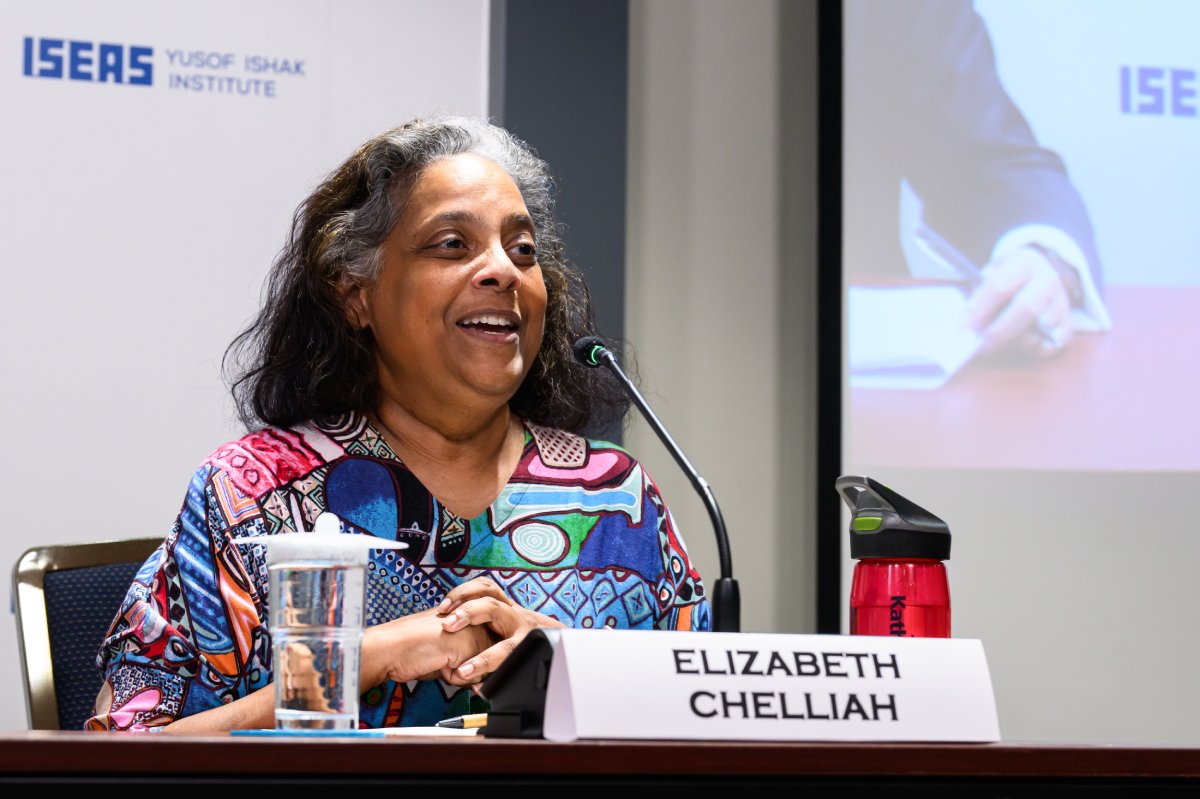
 Mary Elizabeth Chelliah Retired Principal Trade Specialist, Ministry of Trade and Industry SingaporeBio
Elizabeth Chelliah has recently retired (as of 31 Dec 2025) as the Principal Trade Specialist (PTS) at the Ministry of Trade and Industry (MTI) of Singapore. Elizabeth has covered a range of portfolios over her 30years in the Singapore Civil Service that commenced in April 1995. Starting as Legal Officer for the then Trade Development Board, Elizabeth made the switch to a trade policy officer when she was posted to the Singapore Mission to the WTO in 1998. She has covered WTO issues focusing on all matters relating to trade in goods, WTO DSB and WTO accessions. She has also been involved as a panelist in several WTO DSB panels. From 2005 to 2011 she was part of the Singapore APEC team involved in Singapore’s hosting of APEC in 2009. During this tenure she also held the post of Chair of the Committee for Trade and Investment (CTI) from 2008-2010. She has had extensive involvement in FTA negotiations since 2002 including being the Chief Negotiator for Singapore’s FTA with Peru and involvement in leading several chapters during the TPP negotiations. Her last negotiating engagement was as Chair of the RCEP Intellectual Property Working Group that concluded in 2019. Though not involved in direct negotiations she is engaged in developments relating to digital trade, green economy and trade and climate change including ongoing track 2 work by the OECD on ISDS and Paris Agreement. She has participated in several experts’ groups at UNCTAD/ESCAP and APEC.
Ms. Chelliah has also been heavily engaged in providing guidance and advice on a range of WTO and FTA matters, trade facilitation connectivity and other internationalisation strategies and levers. This includes working with training institutions such as the MTI Academy and Singapore Civil Service College to develop relevant trade related training modules for public officers. She is heavily engaged in providing training to business on the benefits of Singapore’s FTAs including training for lawyers with the Law Society of Singapore. Elizabeth also regularly participates as a speaker in a range of events that has included events organised by Chatham House, GTR, Asia Society, UNCTAD, RSIS, WTO etc.
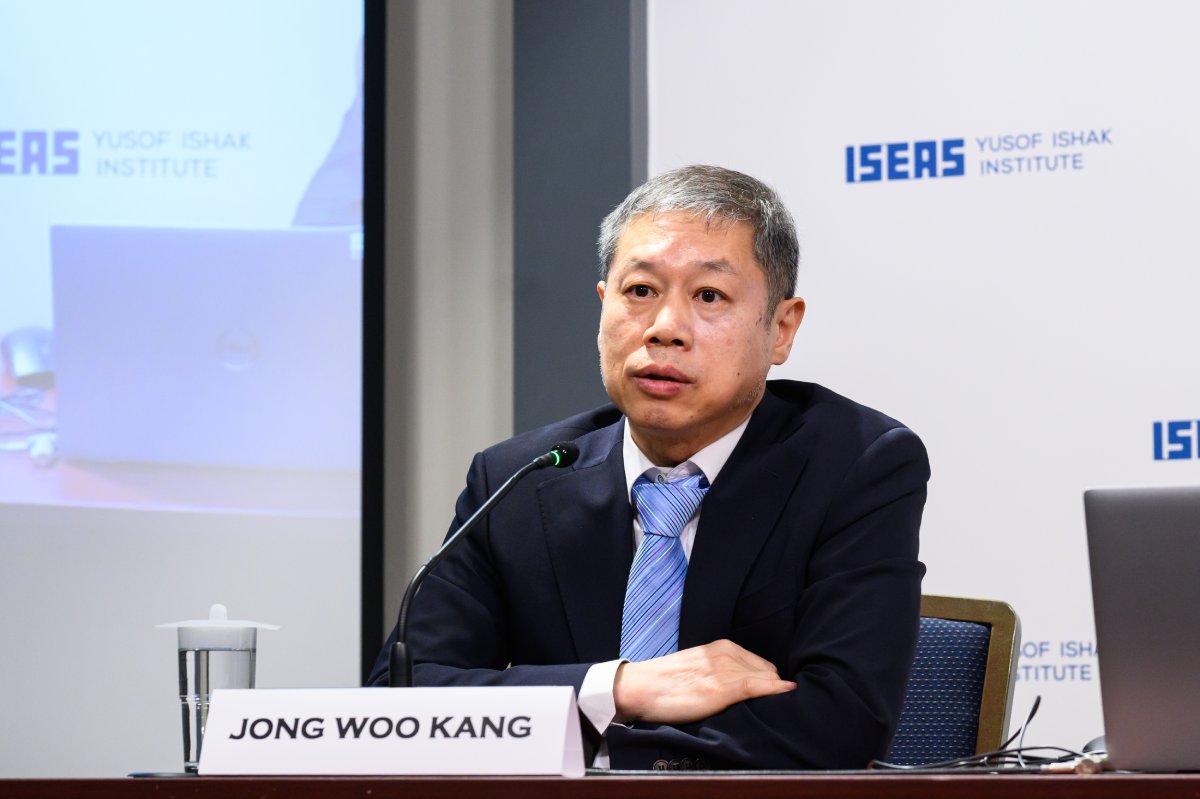
 Jong Woo Kang Director, Regional Cooperation and Integration Division, Economic Research and Development Impact Department,
Asian Development Bank BioJong Woo Kang is Director of the Regional Cooperation and Integration Division at the Economic Research and Development Impact Department (ERDI) of the Asian Development Bank (ADB). As Director, he plays a role as an interface between ADB’s internal and external stakeholders on regional cooperation and integration. He is a seasoned economist with extensive knowledge and experience on policy and strategic issues. He was Principal Economist at ERDI, Senior Advisor to the Managing Director General of ADB and Senior Economist at Strategy and Policy Department at ADB. He leads the annual publication of Asian Economic Integration Report. Areas of his research interest include regional integration, inclusive growth, macroeconomic policies, international trade and finance, and aid effectiveness. He published articles in economics journals such as Journal of Development Economics, Journal of Applied Economics, and World Economy. Before joining ADB, he was Director at Ministry of Finance and Economy of Korea until 2006. He holds a BA in economics and an MA in public administration from Seoul National University, and a PhD in economics from the University of Washington.
- 10:30–10:45 a.m.
Open Floor Discussion- 10:45–11:30 a.m.
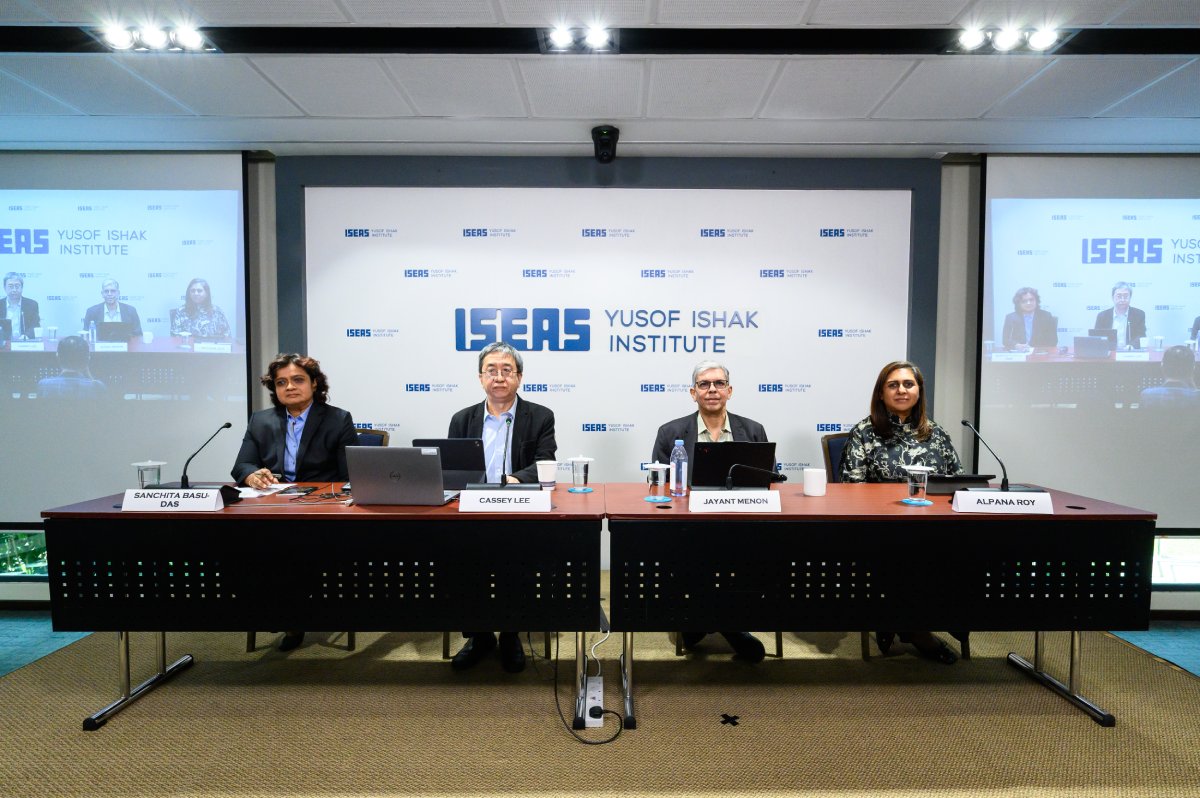
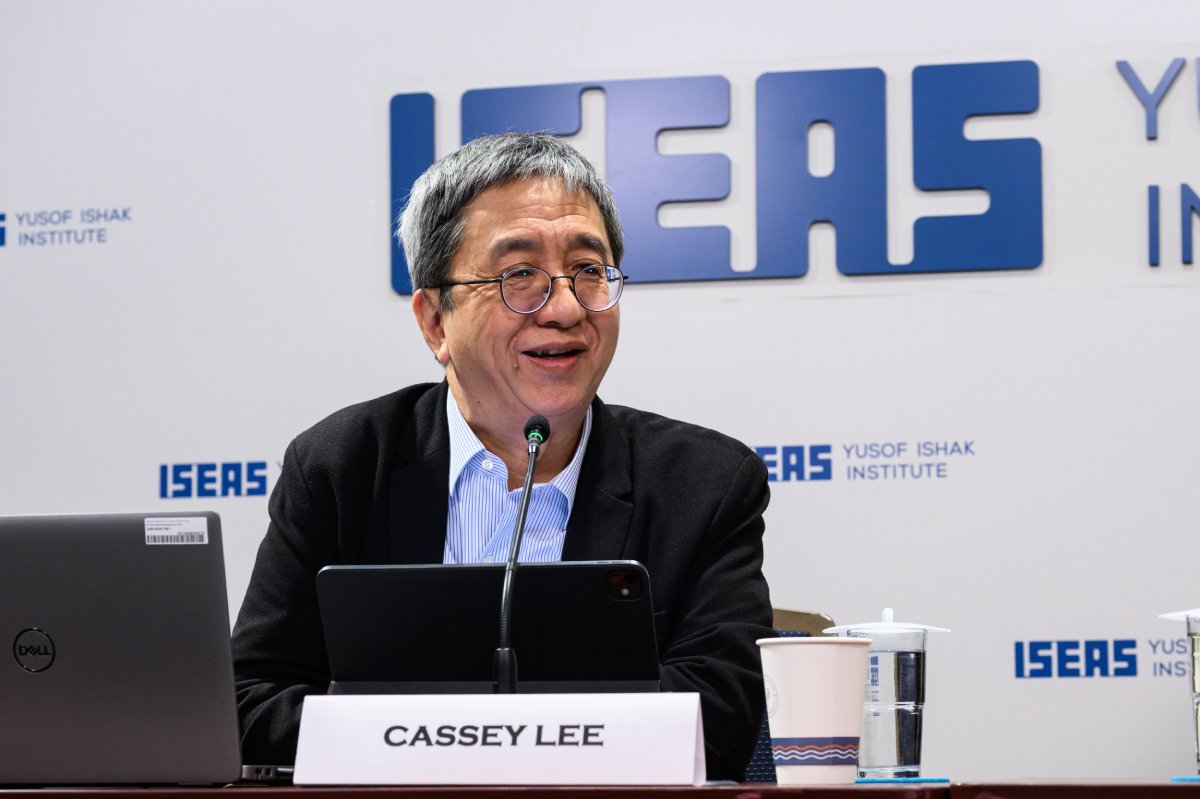
Panel Discussion 2: Role of Southeast Asia in Promoting Regional Cooperation and Integration in Asia and the Pacific (organized by ISEAS)Moderator: Cassey Lee Principal Fellow and Coordinator, Regional Economic Studies Programme, ISEAS–Yusof Ishak Institute, SingaporeBio
Cassey Lee is a Senior Fellow and Coordinator of the Regional Economic Studies Programme at ISEAS. He has held academic appointments at the University of Wollongong, Nottingham University Business School (Malaysia) and University of Malaya. His current research focuses on structural change, industrial policy, competition policy, political economy and algorithmic economics. He has published in peer-reviewed journals such as Journal of Economic Dynamics and Control, Kyklos, Journal of Economic Surveys, Computational Economics, Journal of Asian Economics, and Economic Modelling. He is currently the co-managing editor of the Journal of Southeast Asian Economies and associate editor of the Asian Economic Journal and Asian Economic Policy.
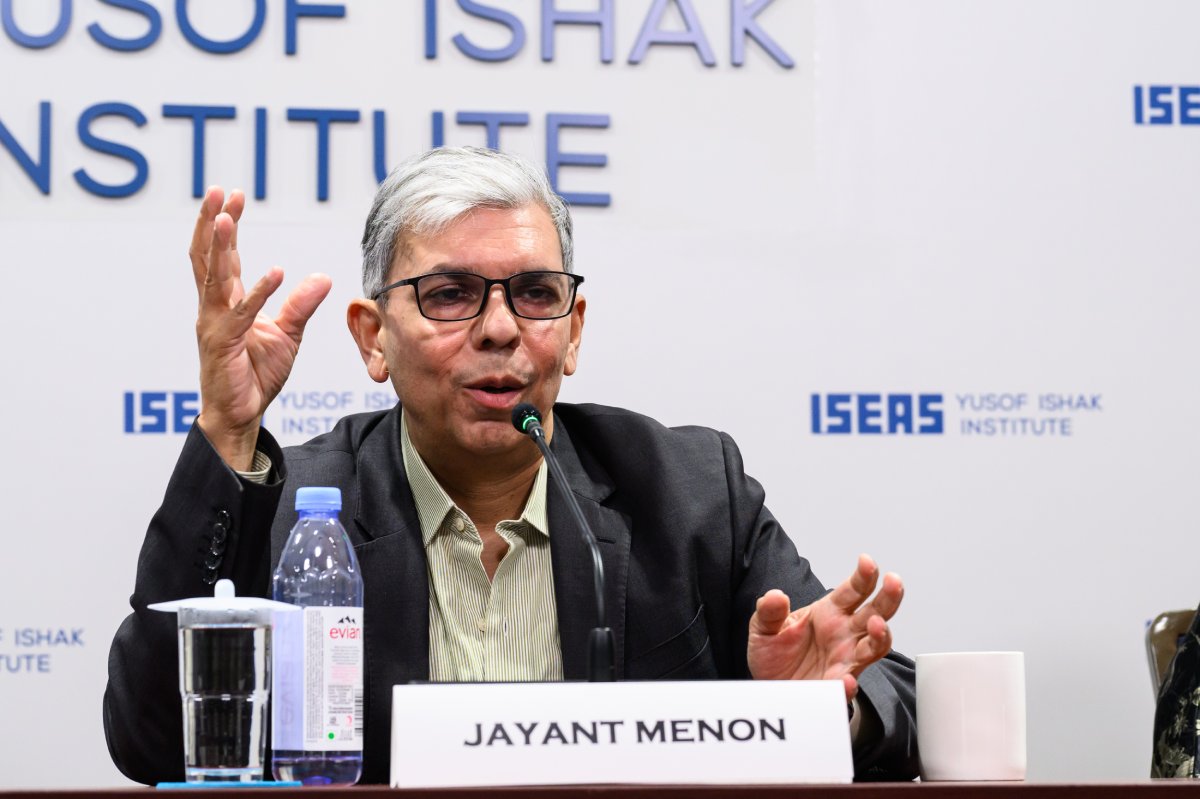
Panelists: Jayant Menon Senior Fellow, ISEAS–Yusof Ishak InstituteBio
Jayant Menon is a Visiting Senior Fellow at ISEAS–Yusof Ishak Institute, following a long career at the Asian Development Bank. His last post at ADB was Lead Economist in the Office of the Chief Economist. He has served as a Board Director of CDRI, Cambodia, and on the Advisory Board of the University of Nottingham, Malaysia. He holds adjunct appointments with the Australian National University, University of Nottingham, UK and IDEAS, Malaysia.
 Hal Hill H.W. Arndt Professor Emeritus of Southeast Asian Economies, Crawford School of Public Policy, Australian National UniversityBio
Hal Hill is the H.W. Arndt Professor Emeritus of the Southeast Asian Economies at the Crawford School, College of Asia and the Pacific, Australian National University. His main research interest is Southeast Asian economic development. He is the author/editor of 20 books and about 170 journal articles and book chapters. Over the past 20 years and beyond, he has been active in managing/co-managing several major research projects with a large and diverse group of authors and colleagues that have resulted in edited book volumes on various aspects of Asian economic development. Details of the volumes published since 2000 are listed below. His major current research project is an updated and fully revised third edition of his book on the Indonesian economy, to be published by Cambridge University Press. He has held visiting academic appointments at the University of the Philippines, Gadjah Mada University, the Institute of Southeast Asian Studies, Oxford University, Colombia University, the International University of Japan, the Tinbergen Institute, the National University of Malaysia, the Rockefeller Bellagio Center, and Freiburg University.
He serves on various boards and committees, including the Honorary Board (Dewan Kehormatan) of the Bank Indonesia Institute, the Council of the East Asian Economic Association (of which he is President in 2020-21), and boards at the ANU, Macquarie University, and Monash University. He has advised and consulted to the Australian Government, the Indonesian Government, the Asian Development Bank, the World Bank and various United Nations agencies. He is also a member of the editorial boards of 12 academic journals, and a frequent media contributor. He is a Fellow of the Academy of Social Sciences of Australia, and has been an official guest of the Republic of Indonesia under its Presidential Friends of Indonesia program. In 2020 he was appointed an Officer of the Order of Australia (AO).
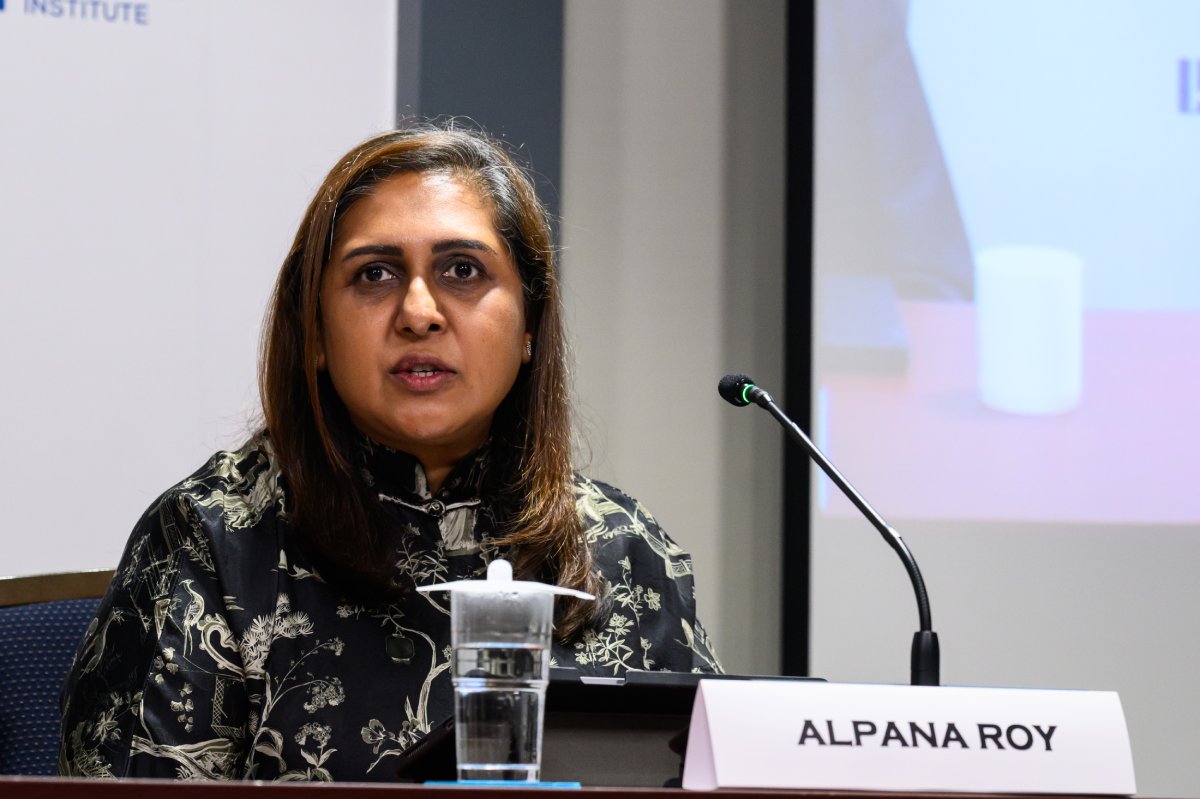
 Alpana Roy Director-General, International Trade & ASEAN Group, Trade and International Economic Relations Cluster, Ministry of Trade and Industry, SingaporeBio
Alpana Roy is Director-General, International Trade & ASEAN Group at the Ministry of Trade and Industry (MTI). She is responsible for Singapore’s engagement at international trade-related fora such as the Association of Southeast Asian Nations (ASEAN), Asia Pacific Economic Cooperation (APEC) and the World Trade Organisation (WTO), amongst others. She oversees advancing economic integration; forging international economic Agreements/Instruments in areas such as goods, services, investment, the digital and green economies; and upholding and strengthening the multilateral trading system. Alpana is experienced in Free Trade Agreement (FTA) negotiations and advancing economic integration. She was Singapore’s Senior Economic Official to ASEAN. She has held appointments as Chair, Chief Negotiator (CN) and Deputy CN in Singapore’s and ASEAN’s FTAs with Australia and New Zealand; Canada; People’s Republic of China; Hong Kong, China; India; Japan; the Regional Economic Partnership (RCEP) Agreement, ASEAN’s internal economic Agreements and more recently the Future of Investment and Trade Partnership (FITP), amongst others.
Alpana’s prior appointments include advancing Singapore’s economic relations with the Americas, Southeast Asia, APEC; Counsellor (Economic) at the Embassy of Singapore in Washington DC.; Singapore's national trade promotion agency; and the Ministry of Foreign Affairs. Alpana graduated in Political Science (Honors) from the National University of Singapore, and obtained her Masters degree in International Public Policy from the Johns Hopkins University Paul H Nitze School of Advanced International Studies. She was awarded the Public Administration Medal (Bronze). She is married with one child.
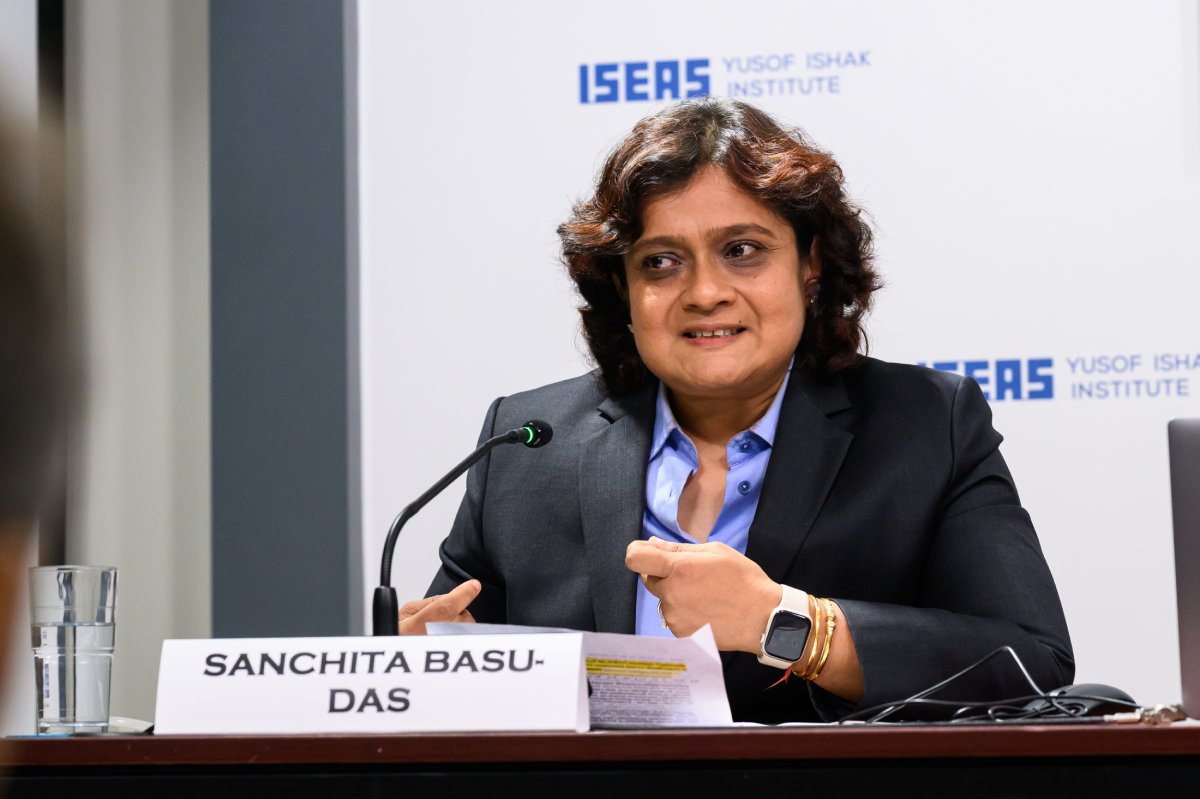
 Sanchita Basu Das Economist, Regional Cooperation and Integration Division, Economic Research and Development Impact Department, ADBBio
Sanchita Basu-Das is Economist at the Regional Cooperation and Integration Division of the Economic Research and Development Impact Department of ADB. She contributes to the division’s flagship publications, knowledge products and analytical studies. She participates in various policy forums, including G20, ASEAN and ASEAN+3. Her core research interests include regional cooperation initiatives and issues related to them, such as trade, logistics, industrial corridors, tourism, digital economy, institutions and others. Sanchita has published in international journals including the Singapore Economic Review, Journal of World Trade and Asia Pacific Economic Literature, authored/ edited books and book chapters and wrote for media. Sanchita joined ADB in November 2018 and initially served as an Economist in the South Asia Regional Department.
Prior to joining the ADB, Sanchita was the Lead Researcher for Economic Affairs at the ASEAN Studies Centre of ISEAS–Yusof Ishak Institute, Singapore. She was concurrently a Fellow of the Regional Economic Studies Program, coordinator of Singapore APEC Studies Centre and a coeditor of Journal of Southeast Asian Economies (JSEAE), all housed under the same institute. Sanchita earned her PhD in International Political Economy from Nanyang Technology University, Singapore, and her Masters in Economics and Business Management from the University of Delhi and the National University of Singapore, respectively.
- 11:30–11:45 a.m.
Open Floor Discussion- 11:45 a.m.–12:45 p.m.
Lunch and NetworkingEmcee: Mara Tayag Senior Economics Officer, Regional Cooperation and Integration Division, Economic Research and Development Impact Department,
Asian Development Bank BioMara Tayag is a senior economics officer at the Regional Cooperation and Integration Division of ADB’s Economic Research and Regional Cooperation Department. She is part of the team that produce the Asian Economic Integration Report and Asia-Pacific Regional Cooperation and Integration Index, where she provides research and data support and handles the overall coordination for the preparation and dissemination of publications. She manages a team of consultants for the maintenance and improvement of the Asia Regional Integration Center, a portal on RCI-related databases and information.
Event photos: